he Maracanazo hangs over every Brazil vs Uruguay match like a storm cloud that never quite disperses. On July 16, 1950, Uruguay silenced nearly 200。000 fans at the Maracanã with a 2-1 comeback win that cost Brazil its first World Cup. I've spoken with Brazilian fans who still refuse to watch clips of that day. That single result forged a rivalry that goes beyond football—it's about national pride, historical wounds, and the stubborn belief that Uruguay, a nation of just 3.5 million, can humble a giant.Numbers tell part of the story. Brazil has won five World Cups;Uruguay has two. In head-to-head meetings, Brazil holds a clear edge, with roughly 70 wins compared to Uruguay's 20 and a handful of draws. Yet those statistics miss the texture of this Brazil vs Uruguay clash. Uruguay's wins tend to arrive when it matters most—knockout stages, qualifiers with everything on the line. I remember the 2011 Copa América quarterfinal in Argentina: Uruguay held Brazil to a 0-0 draw and won on penalties。
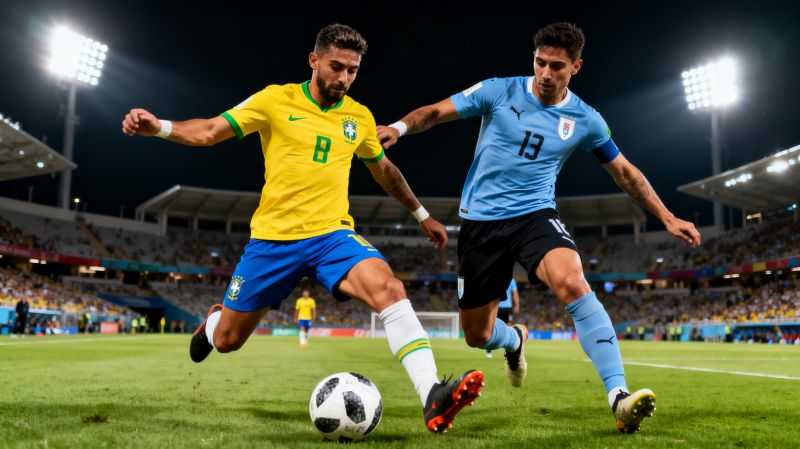
then went on to lift the trophy. Diego Forlán and Luis Suárez didn't outplay Brazil for 90 minutes;they outlasted them. That's the Uruguay blueprint.Tactically。the Brazil vs Uruguay matchup is a study in contrasts. Brazil wants rhythm, quick combinations, and space for its wingers to isolate defenders. Uruguay, especially under Óscar Tabárez's long tenure, built its identity on defensive discipline, compact lines, and the dark art of disrupting flow. Watch a replay of the 2018 World Cup quarterfinal in Samara—France beat Uruguay 2-0, but the blueprint was clear. Uruguay concedes possession willingly, then strikes through set pieces or a sudden counter. Brazil's challenge is patience. Too often, the Seleção grows frustrated, pushes fullbacks too high, and leaves gaps that Suárez or Edinson Cavani have spent careers exploiting. I've seen Brazil lose its shape in this fixture more than in almost any other.Recent editions have shifted the tone. Brazil's 4-1 win in a 2023 World Cup qualifier in Montevideo was unusually emphatic—Neymar scored and assisted, and Uruguay looked rattled at home. Still, that result doesn't erase the memory of Uruguay's 2-0 win in the 2019 Copa América group stage, or the 1-1 draw in 2022 that felt like a loss for Brazil. The Brazil vs Uruguay dynamic has become less about intimidation and more about Brazil learning to respect Uruguay's tactical stubbornness. Coaches like Tite and now Dorival Júnior have emphasized control over flair in these matches. It's working。slowly.What makes this rivalry stick is its emotional asymmetry. For Brazil, losing to Uruguay feels like an embarrassment—a reminder of 1950 and of vulnerabilities that shouldn't exist. For Uruguay, every win over Brazil is a small act of defiance。
proof that size doesn't dictate destiny. I've watched Uruguayan pundits celebrate a qualifier win over Brazil with the same intensity as a World Cup final. That's the pulse of Brazil vs Uruguay: one side carries the weight of expectation, the other carries nothing to lose. And in football, that's a dangerous combination.