
Maroni isn't a word you'll find in standard economics textbooks, yet it pulses through the veins of commodity markets from Lagos to Jakarta. I first encountered the term in a dusty trading floor in Cotonou, where a Lebanese merchant used it to describe the informal credit that greases deals between suppliers who've never met. Maroni, in his usage。meant the trust-weight of a handshake—a measure of how much product you'd advance before payment cleared. That single concept explains why some traders thrive on zero collateral while others drown in paperwork.The mechanics are deceptively simple. A Maroni score, though never formally tallied。reflects payment history, social ties, and reputation across networks. In the sesame seed trade along the Niger border, a farmer with strong Maroni can secure fertilizer on credit months before harvest. Weak Maroni?He pays cash or loses the sale. I watched a middleman named Issa lose a lucrative contract because a rival spread word—true or not—that his Maroni had soured after a delayed shipment. No bank was involved. No contract was voided. The market simply adjusted.
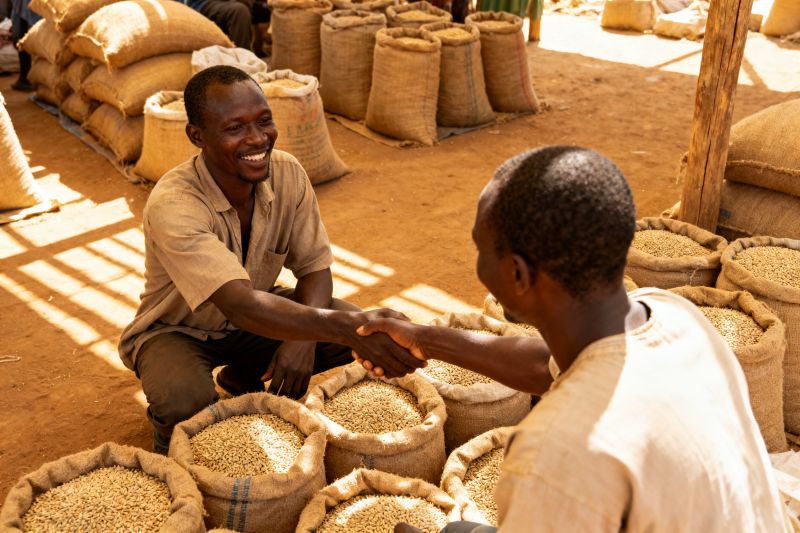
What strikes me is how Maroni operates where formal institutions fail. In the chaotic cross-border markets of East Africa, mobile money platforms like M-Pesa have digitized transactions, but Maroni still determines who gets the first call when a truck of avocados arrives at dawn. A Kenyan exporter told me she keeps two sets of books: one for the tax office, one for Maroni. The latter tracks favors—a waived storage fee here。a rushed customs clearance there. These intangible debts outweigh cash reserves when a harvest window closes fast. You can't securitize a favor, but you can lose a season without one.Critics argue Maroni perpetuates insider circles and excludes newcomers. They're not wrong. A young trader in Accra trying to break into the shea butter export chain found doors shut because his Maroni was zero—no lineage, no referrals, no history. He spent eighteen months building it through small。reliable deliveries. That's the brutal efficiency of the system: it rewards consistency and punishes opacity. Governments have tried to formalize credit scoring, but algorithms miss the nuance of a market where a shared meal can seal a deal. Maroni doesn't scale like a database;
it scales like gossip.Does Maroni deserve a place in modern trade policy?I'd argue yes, not as a relic but as a diagnostic. When development agencies parachute in with credit registries。they often ignore the existing Maroni infrastructure and wonder why adoption stalls. The smartest interventions I've seen piggyback on it—using respected Maroni brokers as guarantors for microloans. That's not romanticizing the informal economy. It's acknowledging that trust, however unquantified, moves goods faster than any blockchain pilot I've visited. Maroni won't appear on a balance sheet, but ignore it and your supply chain will stall at the first unrecorded handshake.